
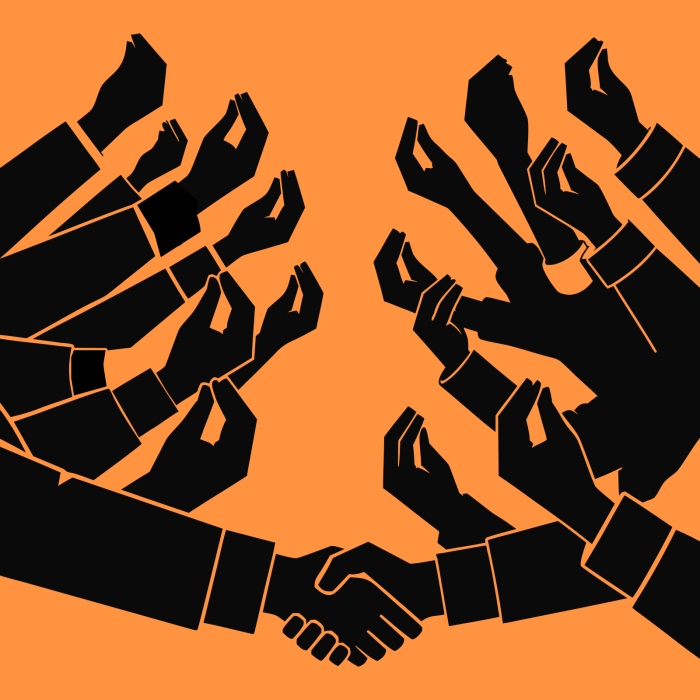
You send the final builds. The designer doesn’t like the spacing, and your QA crashed it on every device imaginable. It feels like we’re going to go to (a) war (of words), but I’ve learned that peace is actually - doable! Here’s how.
1. Accept the harsh truth: Your code is never as perfect as you think
You pour hours into a feature, run it on your shiny new iPhone, and it feels chef’s kiss. Then the designer says the spacing is off, and QA crashes it on a budget Android. Your gut reaction? “It works fine—leave me alone.”
Then I realized: they’re not attacking me, they’re saving the users (and me) from embarrassment. Swallowing that ego pill early turned frustration into relief. Now I expect feedback and the app ends up way better.
2. Talk to designers before you touch the keyboard
Old me: get the Figma file, code it pixel-for-pixel, drop the build, pray. Inevitably: “That’s not what I meant…” followed by five redesign rounds.
Now I hop on a 10-minute call or Slack thread first: “What’s the non-negotiable vibe here?” or “Any 2px details that’ll break your heart?” It feels awkward at first (I’m introverted), but it saves days of pain and makes me feel like a pro collaborator instead of a code monkey.
3. Feed QA early and often
Dumping “final” builds on QA on a late Friday kills trust. I did this once with a sensitive payment feature; QA found over 20 bugs, creating a Monday ticket war zone that left me panicked and ashamed.
Now, I push incomplete, messy builds daily: “Here’s the skeleton, break it.” This early collaboration allows them to catch issues sooner, offer better feedback, and feel like we’re building together—much less stressful..
4. Learn just enough of their language
You don’t need a design degree or QA cert—just a few key terms to stop the dumbest misfires.
Just 15 minutes in HIG/Material docs (or just asking) fixed it. Conversations got fast, respect went up, and I stopped feeling like the guy yelling across the room. Small effort, massive chill.
5. When they flag something, start with “Thank you”
In the early days, I’d argue every point. One QA ticket spiral turned into a heated Slack thread that killed everyone’s vibe for days. Felt tense and isolated.
Now my default is “Thanks for catching that—can you share the device/repro?” It feels fake for the first few times, but it instantly defuses tension. Turns potential fights into quick fixes. I feel calmer, and they feel heard.
6. Use the same tools whenever you can
Early me: designs in scattered Figma dupes, bugs via email/Slack chaos, specs lost in Notion. Once burned a whole afternoon hunting icons and tokens, pinging the designer nonstop. Felt like a total disorganized clown.
Now: shared stack only. Figma dev mode for everything (redlines, specs, flows), ClickUp tickets with mandatory Figma links and acceptance criteria. One shared doc max for extras.
I used to just quietly push updates. Then I started tagging designers and QA in release notes or team Slack: “Shoutout to [name] for the pixel-perfect screens and bulletproof testing—this launch wouldn’t slap without you.”
The first time I did it, they replied with 🔥 emojis and later bent over backward to help on a crunch. Felt warm and fuzzy, like actual team spirit instead of silos. Now it’s a habit, and the goodwill compounds.
We all just want the same thing
Designers want it beautiful. QA wants it unbreakable. You want it shipped without your soul crumbling. Same goal, different angles. Once you see it that way, the daily grind turns from war to the teamwork we’ve seen at Solflare. Happy building!